Furqan: Integrating Authentic Arabic Calligraphy into Modern Design Workflows
In the landscape of contemporary graphic design, typography serves as more than just a vessel for text; it is a primary driver of brand identity and emotional resonance. For designers and business owners working within or alongside Arabic-speaking markets, selecting the right typeface is a critical strategic decision. Furqan emerges as a significant asset in this context, offering a bridge between the deep heritage of traditional Arabic calligraphy and the functional demands of modern digital and print media. This font does not merely display words; it encapsulates the essence of Arabic script with a distinctive style that honors classical forms while ensuring readability and versatility in current projects.
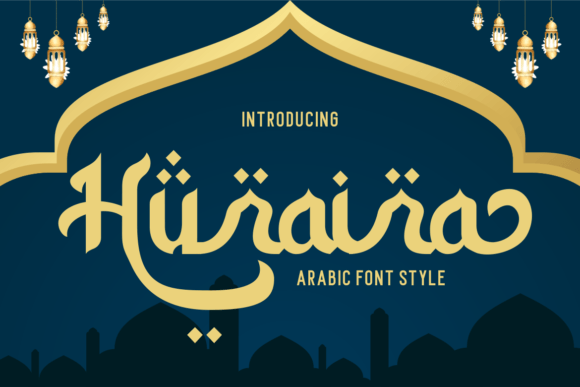
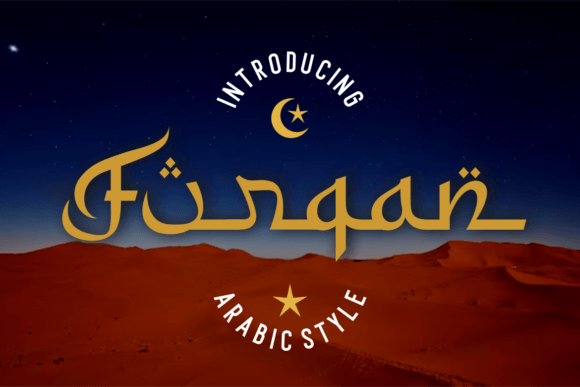
Integrating Furqan into a professional workflow requires an understanding of its unique characteristics and how they interact with broader design objectives. Unlike generic sans-serif or serif options, Furqan carries an air of authenticity and cultural richness. Each character is adorned with intricate dots, paying homage to the meticulous detailing found in classical Arabic writing. This attention to detail adds an artistic and charming dimension to typography, making it particularly effective for projects where heritage, elegance, and trustworthiness are paramount. Whether you are a freelancer crafting a logo, a marketer designing promotional materials, or an educator creating engaging visual aids, understanding how to deploy Furqan effectively can elevate the quality and impact of your output.
Strategic Placement in the Design Process
The utility of Furqan extends across various stages of a creative project, from initial conceptualization to final delivery. In the planning phase, identifying the tonal requirements of a project is essential. If the goal is to convey tradition, luxury, or cultural depth, Furqan should be shortlisted early as a primary candidate. Its ability to blend timeless beauty with a modern touch makes it suitable for brands looking to establish a strong, authentic presence without appearing outdated.
During the execution phase, Furqan interacts seamlessly with other design elements. Its distinctive style closely resembles traditional Arabic letters, which means it pairs well with minimalist layouts that allow the typography to breathe. When used in logos and branding materials, the font's intricate details require careful consideration of spacing and scale. Designers should ensure that the delicate dots on characters remain visible and distinct, even when the logo is scaled down for social media avatars or business cards. This necessitates a workflow that includes rigorous testing across different sizes and mediums before final approval.
Furthermore, Furqan plays a crucial role in the refinement stage. Because the font imbues designs with a unique blend of elegance and heritage, it often becomes the focal point of the composition. This allows other elements, such as color palettes and imagery, to support rather than compete with the typography. For instance, in product packaging, using Furqan for the product name can instantly communicate quality and origin, influencing consumer perception before they even read the descriptive text. The font's versatility ensures that it can adapt to various contexts, from the bold statements required on posters to the subtle sophistication needed for wedding invitations.
Practical Applications Across Industries
The application of Furqan is not limited to a single niche; its adaptability makes it a valuable tool for a wide array of industries. For entrepreneurs and small business owners, particularly those in the food, fashion, or hospitality sectors, Furqan offers a way to differentiate their brand in a crowded market. A restaurant menu or a coffee shop sign featuring this font can evoke a sense of artisanal quality and cultural authenticity that resonates with customers seeking genuine experiences.
In the realm of marketing and advertising, Furqan is instrumental in creating visually stunning posters and promotional items. The font's capacity to stand out ensures that marketing campaigns leave a lasting impression. When designing for special occasions, such as crafting invitations for weddings or corporate galas, Furqan's elegant strokes add a layer of formality and grace. The intricate detailing of the characters transforms a simple invitation into a keepsake, enhancing the perceived value of the event.
Educators and publishers can also leverage Furqan to create engaging learning materials. Textbooks, worksheets, and digital content that incorporate this font can help students appreciate the beauty of Arabic calligraphy while maintaining clarity. The font's adherence to traditional forms makes it an excellent resource for teaching the nuances of Arabic script, providing a visual reference that is both accurate and aesthetically pleasing.
Workflow Integration and Technical Considerations
To maximize the potential of Furqan, it is essential to integrate it smoothly into existing workflows. This begins with compatibility checks. Ensure that the font file formats (such as OTF or TTF) are compatible with your design software, whether it is Adobe Illustrator, Photoshop, InDesign, or open-source alternatives like GIMP or Inkscape. Proper installation and licensing are fundamental steps that prevent legal issues and technical glitches down the line.
Organization and consistency are key when managing assets involving Furqan. Create a dedicated folder in your asset library for Arabic typography resources, categorizing them by style and usage rights. This practice streamlines the selection process for future projects and ensures that team members can easily access the correct files. When collaborating with others, clearly document the usage guidelines for Furqan, including recommended pairings with Latin fonts if the project is bilingual. This maintains visual harmony and prevents disjointed designs.
Quality control is another critical aspect of the workflow. Due to the intricate dots and detailed strokes of Furqan, proofing becomes even more important. Review designs at 100% zoom to check for any rendering issues, such as broken lines or merged dots, which can occur if the resolution is too low or if the font is distorted. For print projects, request a physical proof to verify that the ink coverage accurately captures the fine details of the font. In digital environments, test the font on various devices and screen resolutions to ensure legibility and aesthetic integrity.
Enhancing Brand Narrative Through Typography
Beyond its visual appeal, Furqan serves as a narrative tool. In a globalized market, brands often struggle to communicate their roots and values effectively. Furqan addresses this by embedding cultural significance directly into the visual identity. When a brand chooses this font, it signals a respect for heritage and a commitment to quality. This subtle yet powerful message can strengthen customer loyalty and foster a deeper connection with the target audience.
For freelancers and agencies, offering expertise in Arabic typography can be a competitive advantage. By mastering the use of fonts like Furqan, designers can expand their service offerings to include culturally sensitive branding and localization projects. This not only opens up new revenue streams but also positions the designer as a specialist capable of navigating complex cultural nuances.
Ultimately, the successful implementation of Furqan relies on a balance between artistic appreciation and practical execution. It requires a mindset that values both the historical weight of the script and the functional needs of modern communication. By incorporating Furqan into your toolkit, you equip yourself with a resource that enhances the visual language of your projects, ensuring they are not only seen but felt.
- Preparation: Define the emotional tone of the project before selecting Furqan to ensure alignment with brand goals.
- Compatibility: Verify file formats and software support to avoid technical disruptions during the design process.
- Scalability: Test the font at various sizes to maintain the integrity of its intricate dots and details.
- Consistency: Establish clear guidelines for usage across all brand touchpoints to build a cohesive identity.
- Quality Assurance: Implement rigorous proofing processes for both print and digital outputs to preserve the font's elegance.
In conclusion, Furqan is more than just a typeface; it is a strategic element that can transform the trajectory of a design project. Its ability to seamlessly blend the timeless beauty of Arabic script with a modern touch makes it an indispensable resource for professionals aiming to create impactful, culturally rich, and visually compelling work. By understanding its nuances and integrating it thoughtfully into your workflow, you can unlock new levels of creativity and effectiveness in your design endeavors.